
glp-1 for ms drugs like Ozempic are proving effective in a variety of applications beyond managing diabetes and weight loss. On Real Talk MS, Dr. Ellen Mowry shares early findings from a clinical trial Q&A 111: Glucagon-like peptide-1 receptor
Description
When labs are ordered in GLP-1 treatment, providers typically look at markers that help evaluate metabolic function, organ health, and potential risk factors: A1C and fasting glucose: to assess baseline glycemic control [2] Kidney function: to monitor dehydration risk and fluid balance, which GLP-1-related gastrointestinal side effects can affect [3] Liver enzymes: to ensure safe medication clearance and dosing [4] Lipid panel: to track key cardiometabolic markers that often shift with weight loss [5] Thyroid panel: to rule out thyroid disorders that can contribute to weight changes or mimic weight-related symptoms [6] Complete blood count and electrolytes: to check for underlying health issues or imbalances that could complicate early treatment [7] Important: Because Peak Wellness relies primarily on intake-based evaluation, patients with known medical conditions or incomplete health histories may want to discuss whether additional testing would be beneficial before starting treatment
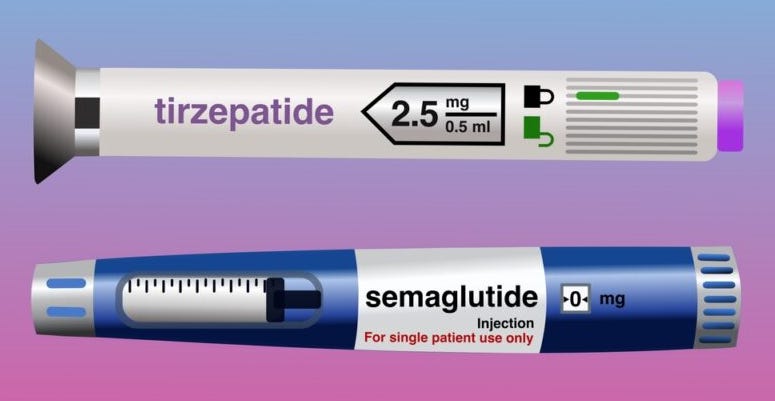
If you already have asymptomatic gallstones and are starting GLP-1 therapy This is one of the highest-risk situations and one of the most under-discussed

Nano Sel

Lamont, B
BPC-157 Strength: 5 mg Body Protecting Compound-157 Single-agent peptide support for patients focused on recovery, resilience, and repair-oriented protocols

Lancet 394 , 131138 (2019) O


