glp 1 agonist risks The expanding role of GLP-1 receptor agonists: a narrative review of current evidence and future directions GLP-1 Muscle Loss Explained |
Description
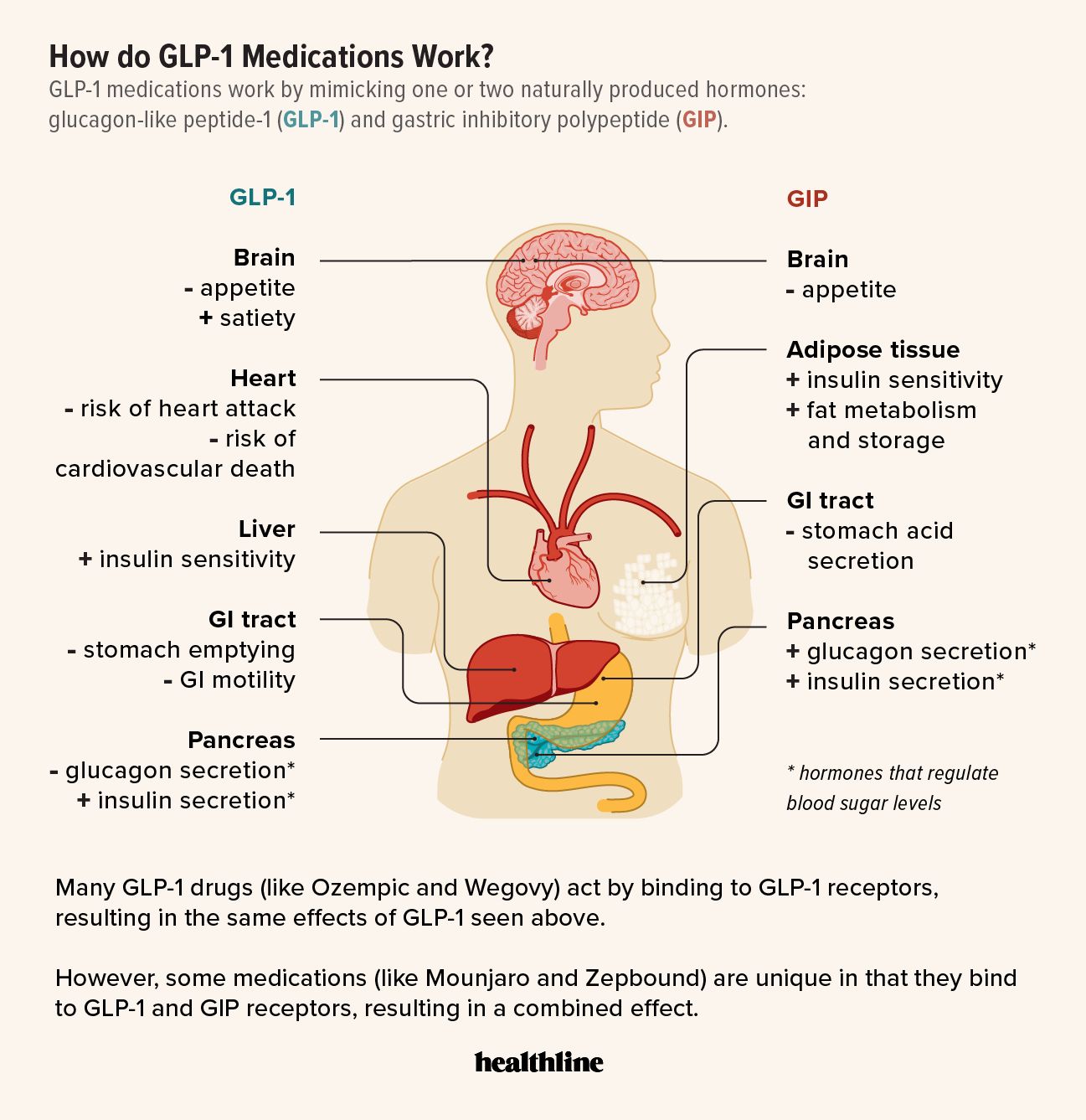
Role of a Dual Glucose-Dependent Insulinotropic Peptide (GIP)/Glucagon-like Peptide-1 Receptor Agonist (Twincretin) in Glycemic Control: From Pathophysiology to Treatment
Lancet 2018;392:151929.PubMed 70
Serial analyses of the metabolic profile showed consistently high HbA1c levels and body weight loss among GLP-1 RAs users
This practice is not supported by clinical research and is considered off label. Some people obtain (often by ordering online) compounded, or customized, versions of brand-name medications
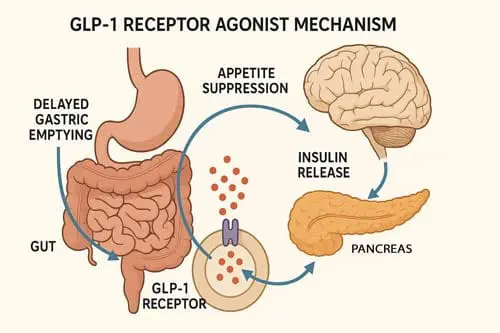
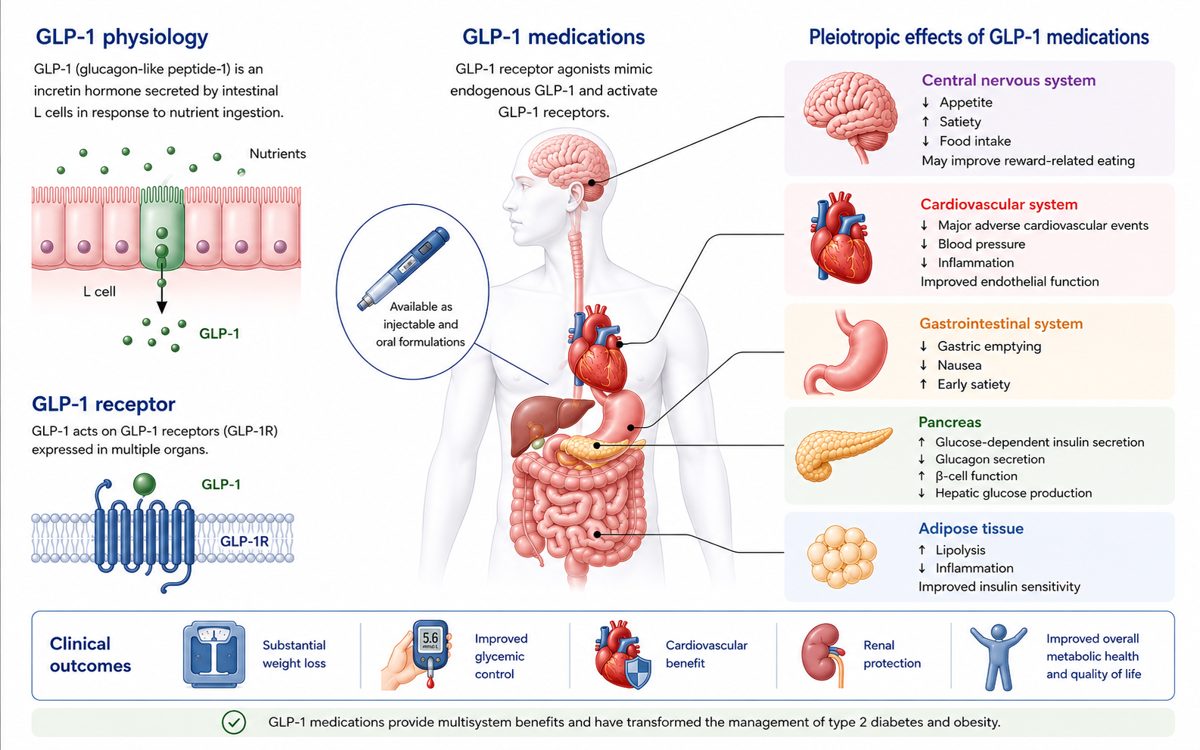
1 Introduction Glucagon-like peptide-1 (GLP-1) is an endogenous incretin secreted by small intestinal L cells, consisting of two bioactive isoforms: GLP-1 (7-37) and GLP-1 (7-36)

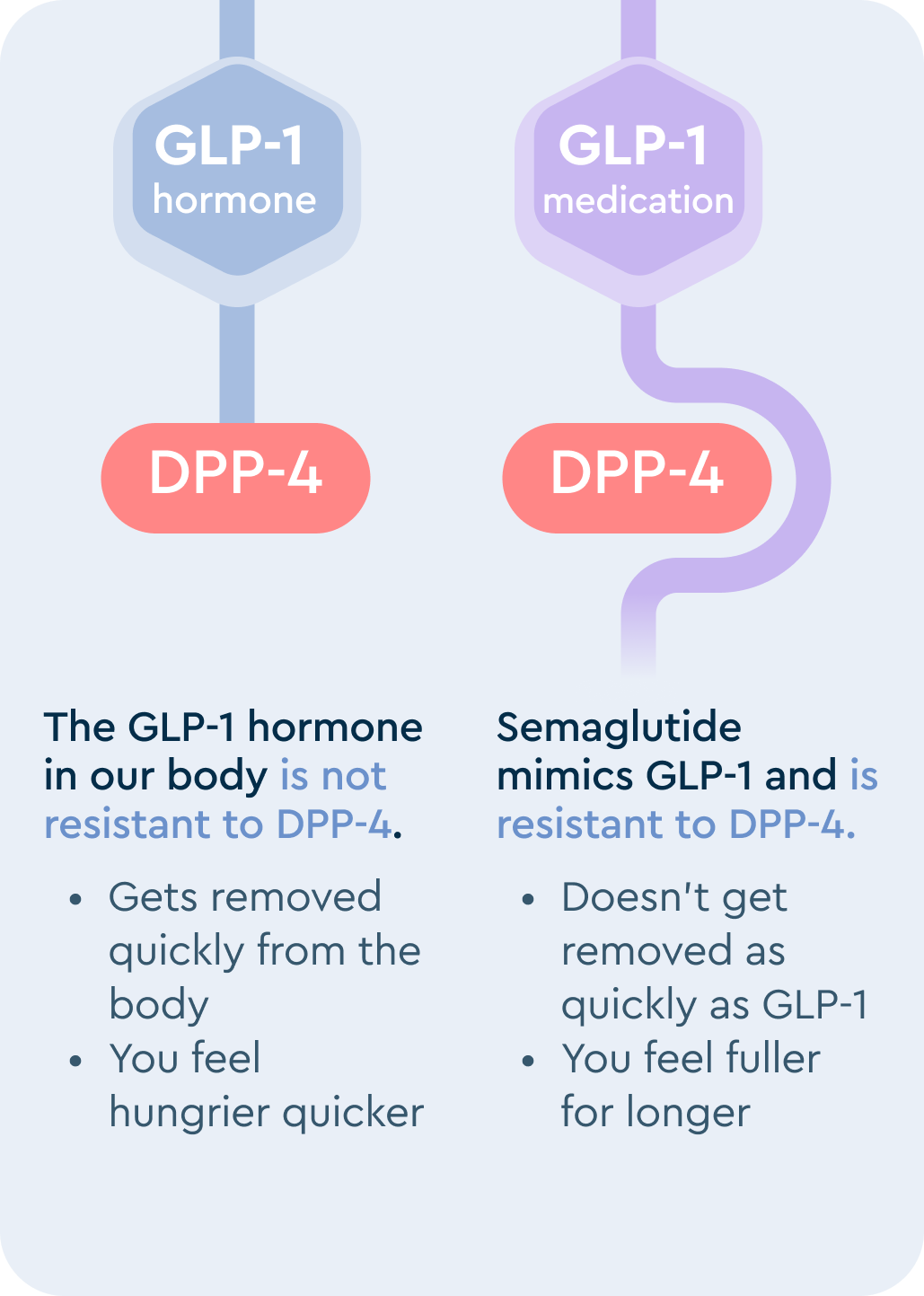
GLP-1 receptor agonists are synthetic molecules that mimic the action of endogenous GLP-1 with significantly extended half-lives, enabling sustained metabolic effects