


Fit Fiber Bundle
US$ 26.80

Clinicians should maintain heightened awareness for aspiration risk in perioperative settings

Subtle support that works with your habits, not against them

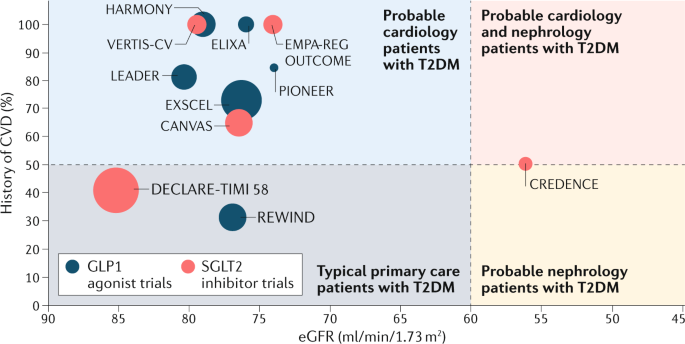
Purpose of Review This review will summarize the most contemporary trials for glucagon-like peptide 1 receptor agonists (GLP1-RA) and sodium-glucose cotransporter 2 inhibitors (SGLT2-i) and present guidance on management and recommendations on adjunctive tapering of insulin in patients with insulin-dependent diabetes mellitus, which we term de-insulinization. Recent Findings GLP1-RA and SGLT2-i are the principal classes of diabetes medications evidencing cardiovascular benefit

The success of these agents in preclinical models and clinical trials suggests a promising future for multiagonists in the treatment of metabolic diseases, with the most recent glucose-dependent insulinotropic peptide receptor:glucagon-like peptide 1 receptor:glucagon receptor (GIPR:GLP-1R:GCGR) triagonists rivaling the efficacy of bariatric surgery
A sizable proportion of patients (23.0 to 62.4%) reached an HbA1c of 1.0 vs

adults have obesity, with the rate increasing more than 10 percentage points in the past 2 decades

US$ 26.80
US$ 20.36
US$ 20.28
US$ 26.24
US$ 26.56
US$ 20.18
US$ 20.06
US$ 29.80
US$ 25.71