


Wegovy Lawsuit
US$ 25.48
Could the gut microbiome be playing a hidden role in both the benefits of GLP-1s as well as constipation?

Our Practice is Ranked #1 in Plastic Surgery in Manhattan and Long Island, New York specializing in Semaglutide & Tirzepatide

Accidentally taking your weekly semaglutide dose a day or two early raises real questions about safety and effectiveness
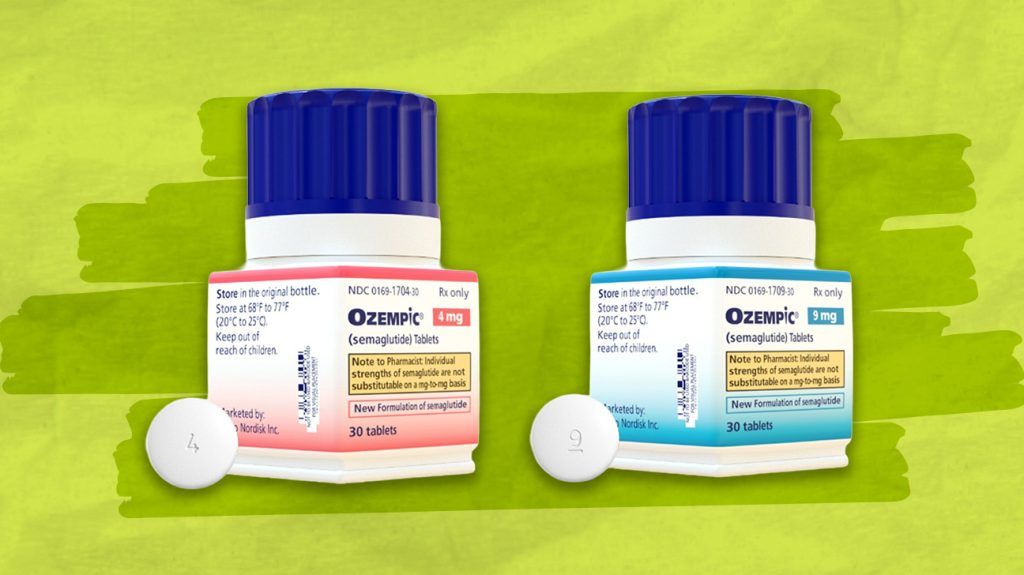
Full Color Pictures

Learn why nausea is so common with semaglutide, how long it lasts, tips to ease symptoms, and when to seek medical advice.
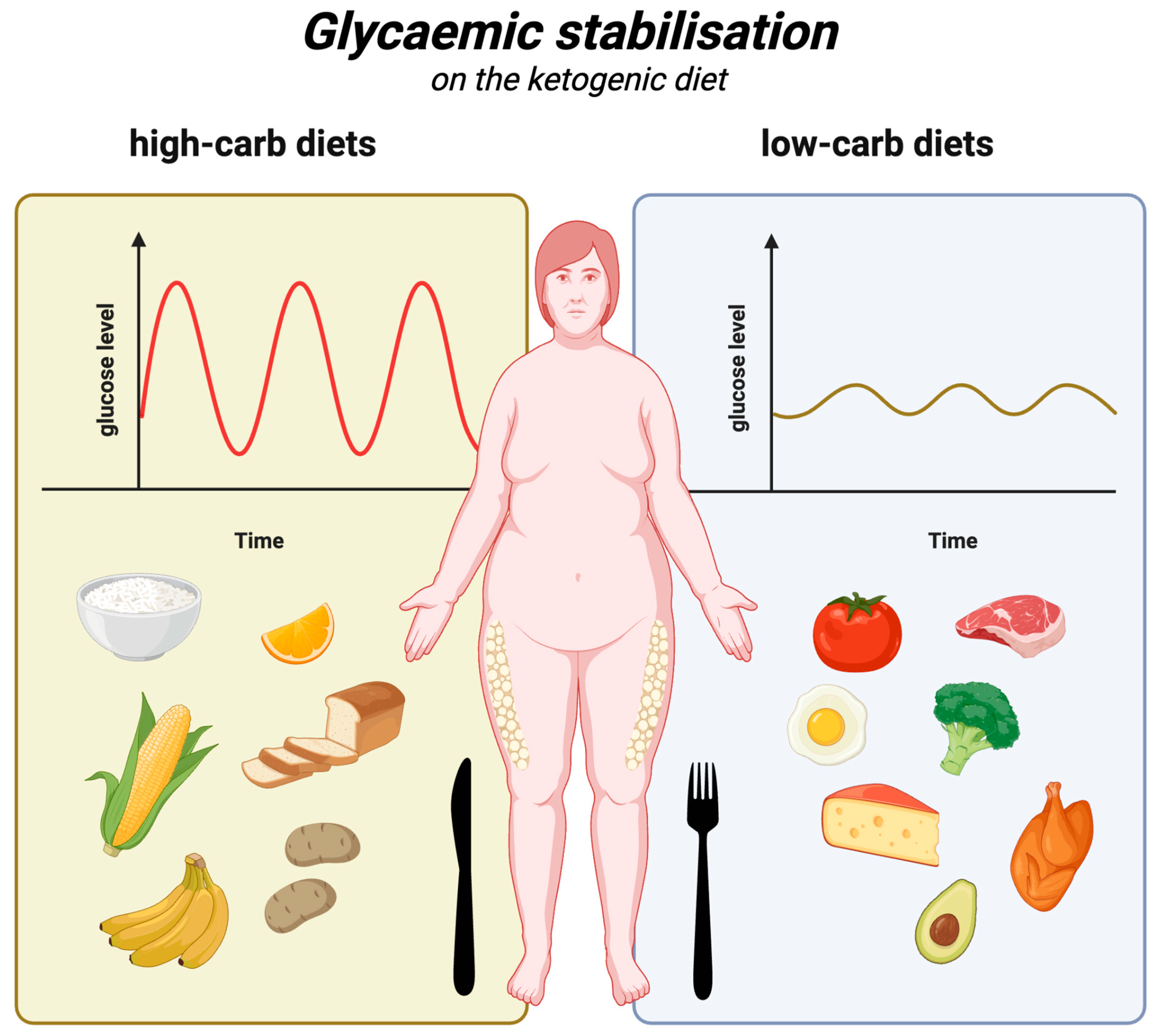
Semaglutide is a GLP-1 analogue with 94% sequence homology to human GLP-1. Semaglutide acts as a GLP-1 receptor agonist that selectively binds to and activates the GLP-1 receptor, the target for native GLP-1. GLP-1 is a physiological hormone that has multiple actions on glucose, mediated by the GLP-1 receptors. The principal mechanism of protraction resulting in the long half-life of semaglutide is albumin binding, which results in decreased renal clearance and protection from metabolic degradation. Furthermore, semaglutide is stabilized against degradation by the DPP-4 enzyme. Semaglutide reduces blood glucose through a mechanism where it stimulates insulin secretion and lowers glucagon secretion, both in a glucose-dependent manner. Thus, when blood glucose is high, insulin secretion is stimulated and glucagon secretion is inhibited. The mechanism of blood glucose lowering also involves a minor delay in gastric emptying in the early postprandial phase
US$ 25.48
US$ 28.11
US$ 25.77
US$ 29.71
US$ 26.30
US$ 20.78