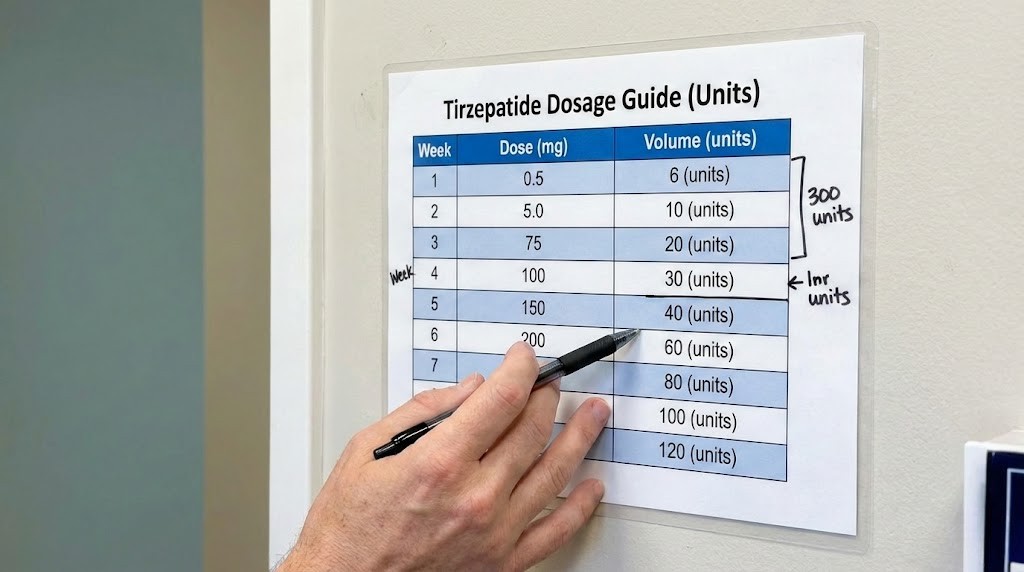
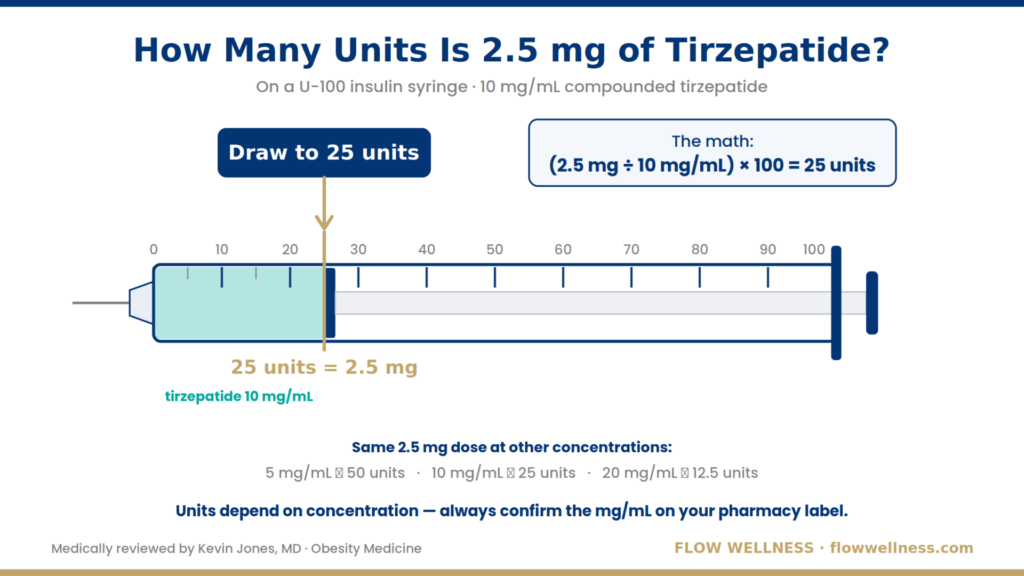
tirzepatide standard dose dosage chart in units: complete conversion guide for every concentration Tirzepatide dosage chart for weight
Description
Metabolic remodelling in atrial fibrillation: manifestations, mechanisms and clinical implications
Participants starting above 300 pounds lost more total pounds than those starting at lower weights, though percentage losses were similar
Key Takeaways: Tirzepatide Side Effects Most common side effects are gastrointestinal: nausea (40% to 45%), diarrhea (30% to 35%), constipation (20% to 25%) Side effects typically peak within days of dose increases, then improve over 2 to 3 weeks Tirzepatide causes slightly more GI side effects than semaglutide due to dual GLP-1/GIP action Starting at 2.5 mg and increasing gradually every 4 weeks minimizes side effect intensity Most effects are manageable with dietary adjustments, hydration, and timing strategies Serious side effects are rare but include pancreatitis, gallbladder issues, kidney problems Many people experience minimal side effects after the initial adjustment period Side effects improve significantly with each subsequent injection at the same dose Most Common Side Effects and Their Frequency Understanding what youre likely to encounter helps set realistic expectations and recognize that your experience is normal

Multi-agonists Targeting multiple pathways at once While GLP-1 receptors slow gastric emptying and increase satiety, other gut hormones like GIP (glucose-dependent insulinotropic polypeptide) and glucagon also influence energy balance

These comparisons point out that tirzepatide offers benefits from targeting two hormones
10.1073/pnas.0706890104 244


