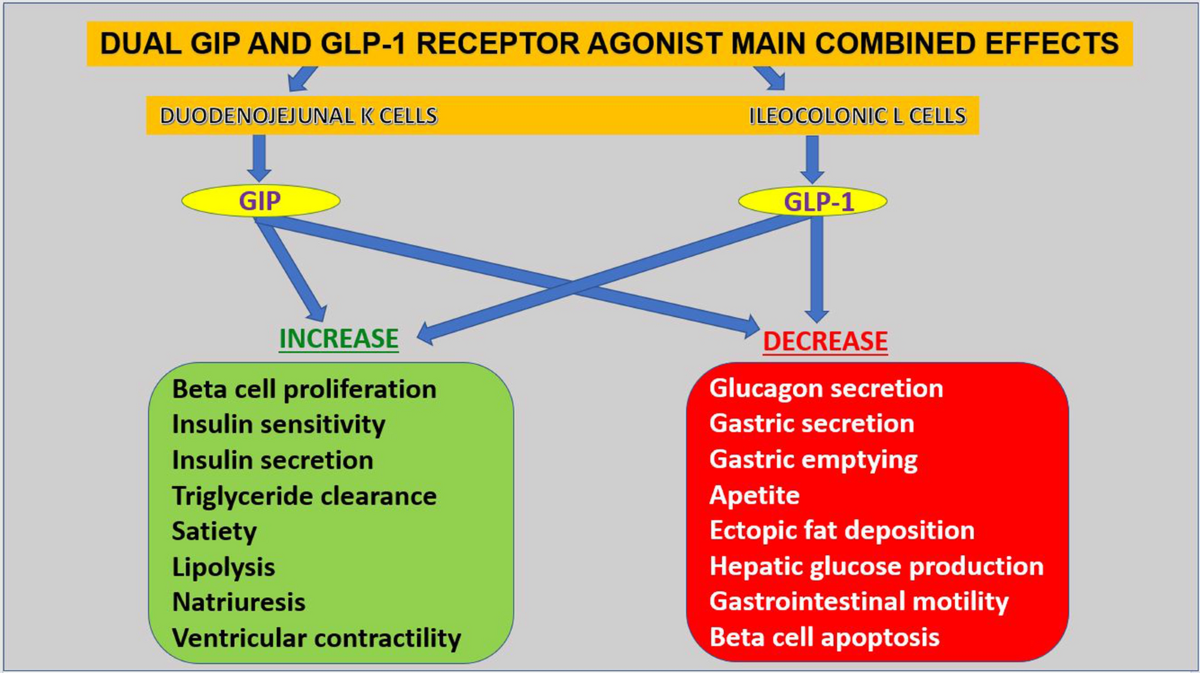
glp-1/gip/glucagon receptor agonist The dual glucose-dependent insulinotropic polypeptide (GIP) and glucagon-like peptide-1 (GLP-1) tirzepatide: a novel cardiometabolic therapeutic prospect | Cardiovascular Diabetology GLP1-GIP receptor co-agonists: a promising
Description
Semaglutide and cardiovascular outcomes in obesity without diabetes
doi:10.1159/000369933 83
347 This was achieved by decreasing the expression of proinflammatory cytokines such as tumor necrosis factor (TNF), interleukin-6 (IL-6), and interleukin-8 (IL-8)

As anticipated, patient preference is towards GLP-1 RA profiles associated with less frequent dosing, with once-weekly preferred to once-daily, with the latter preferred over twice-daily [123,124,125]
doi: 10.2337/dc14-1958 209 GallwitzBVaagAFalahatiAMadsbadS

Exenatide treatment was associated with a prolonged increase of phosphorylation of insulin receptor signaling substrate-1 (IRS1) phosphorylated at tyrosine residues at 24, 48, and 60 weeks