
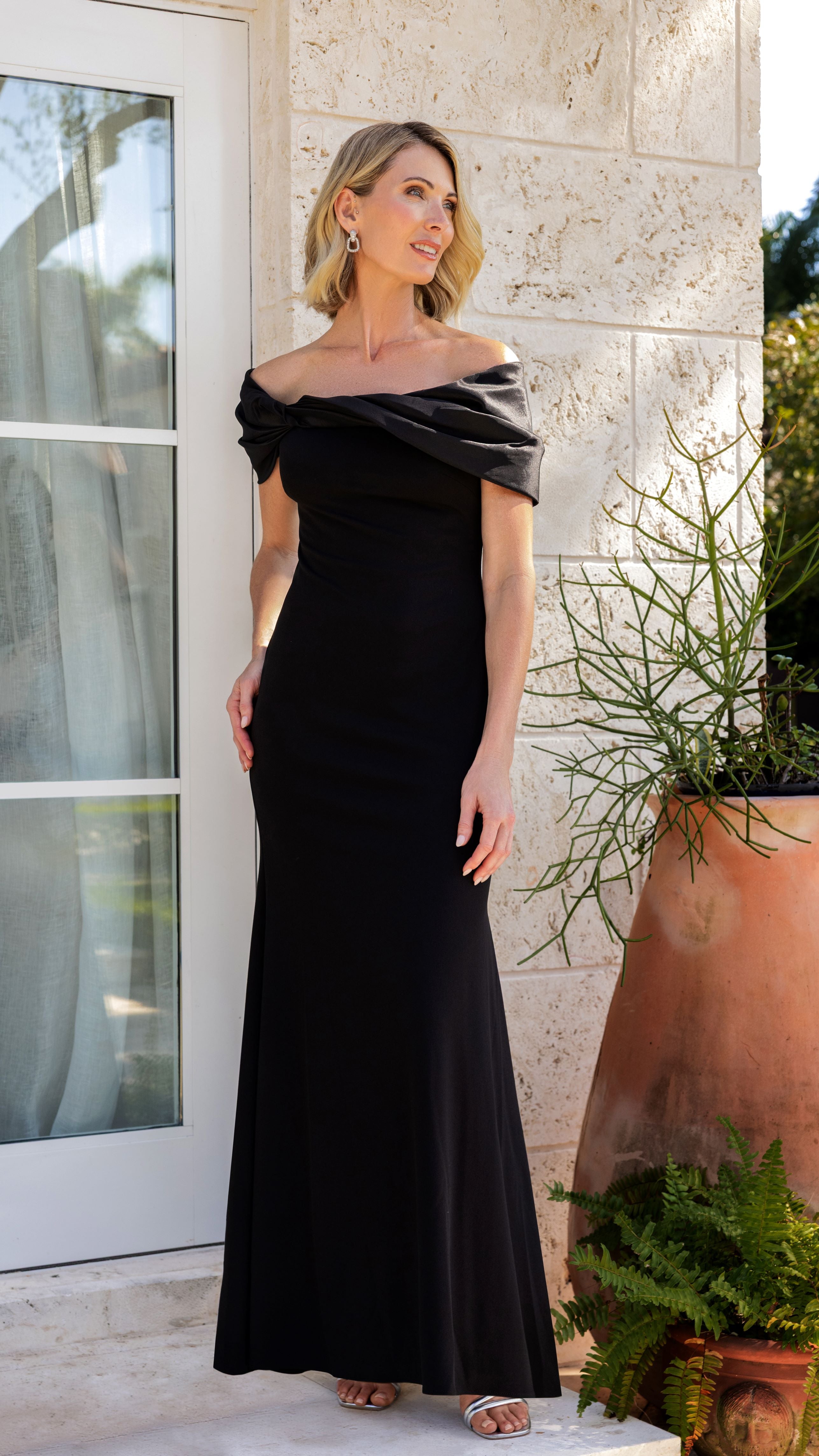
scuba dress Scuba™ Plunge Mini This style has a smaller fit Betsy & Adam Women's Long
Description
Wearing colorful shoes is another good tip as that draws the eye in a different direction to the tummy
I've not cooked it yet though

Table of Contents Recipe ingredients At a Glance: Here is a quick snapshot of what ingredients are in this recipe

Add an extra tablespoon of nutritional yeast flakes if you want the dressing to taste cheesier

Dressing Material Gauze Dressing Properties - Gold standard dressing - Non-adherent - Provides a protective cushion and constant pressure Clinical Applications - Clean and / or light exuding wounds - Skin incisions - Surgical bandages - Can be useful in keeping the wound bed moist if impregnated with petrolatum, iodinated compounds, or other material Advantages - Low material expense - Can be shaped and sized - Can be used with other dressings Disadvantages - Painful to remove if used dry - Non-selective debriders therefore cannot be directly used to granulating tissue Dressing Material Hydrocolloids Dressing Properties - Low to moderate absorption - Adhesive Clinical Applications - Small solitary non-draining ulcers - Light to moderate exudate wounds - After debridement - Granulating wounds Advantages - Flexible - Waterproof - Promote autolysis, angiogenesis and granulation - May be left in place for seven days Disadvantages - Occlusion may promote anaerobic infection in high risk patients - Cannot be used in infected wounds Dressing Material Hydrogels Dressing Properties - Low to moderate absorption - Non-adhesive - Quick hydration - Suitable for all stages of wound healing except heavily exuding wounds Clinical Applications - Minor burns - Painful wounds - Dry wounds Advantages - Soothing with marked pain reduction - Conform to the wound - Fill in dead spaces - Can be used on infected wounds Disadvantages - Difficult to keep in place - Encourage gram negative organisms Dressing Material Foams Dressing Properties - High absorption - Polyurethane or silicone based - Not hydrating Clinical Applications - Medium-to -high exuding wounds - Pressure ulcers - Mould for grafts - Venous ulcers (with compression) Advantages - Non-adherent - Does not damage surrounding healthy tissue - Repel contaminants - Highly conforming Disadvantages - Cannot be used on non-exudating or minimally exudating wounds Dressing Material Alginates Dressing Properties - High absorption - Not hydrating - Combine with exudate to form a gel Clinical Applications - Medium-to -high exuding wounds Advantages - Haemostatic (Kaltostat) - Easily removed without disturbing surrounding healthy tissue - Produce warm, moist environment for healing wounds Disadvantages - Foreign body reaction (extremely rare) Dressing Material Hydroactive Dressing Properties - High absorption - Non-residual Semipermeable Clinical Applications - Leg ulcers - Pressure wounds - Burns Advantages - Particularly useful over joints because they contract and expand Disadvantages - Cannot be used on dry or lightly exuding wounds Common dressings in wound care Wound care dressings (Figure 1 above) can be broadly divided into two broad groups, non-absorbing (e.g
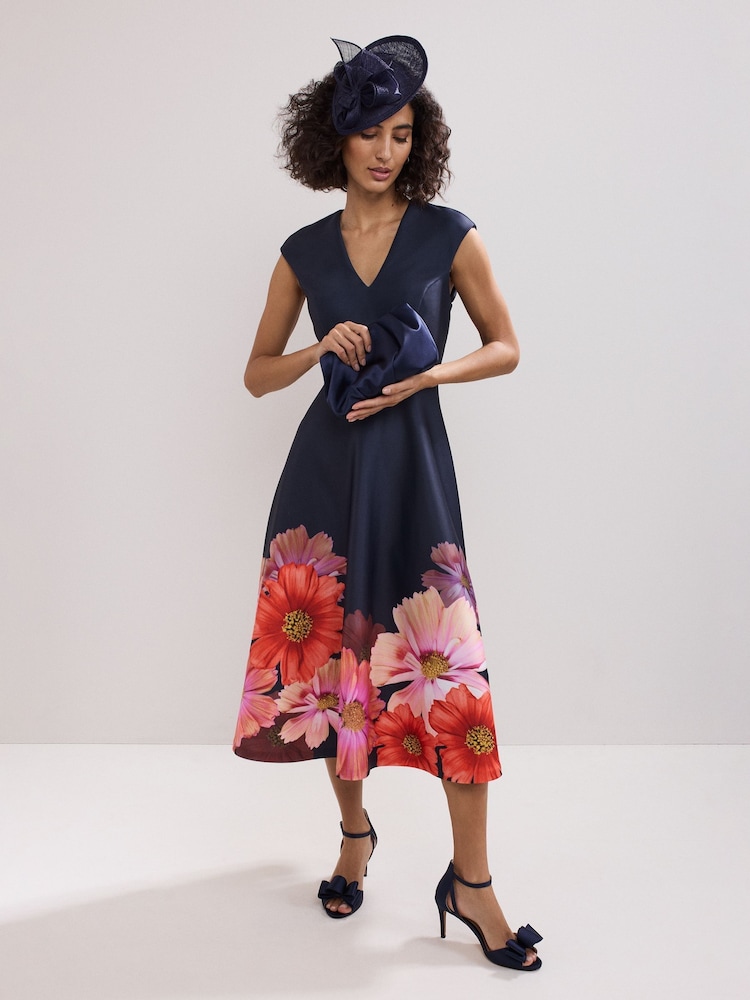
We carry more than 50 plus-size wedding dresses, ranging up to a size 32 for you to try on in-store


