


Glutathione 250mg
US$ 28.42
1 remain unsolved and attract a lot of attention of multi-professional groups focused on creating innovative rehabilitation programmes benefiting affected patient cohorts, family members, and society at large
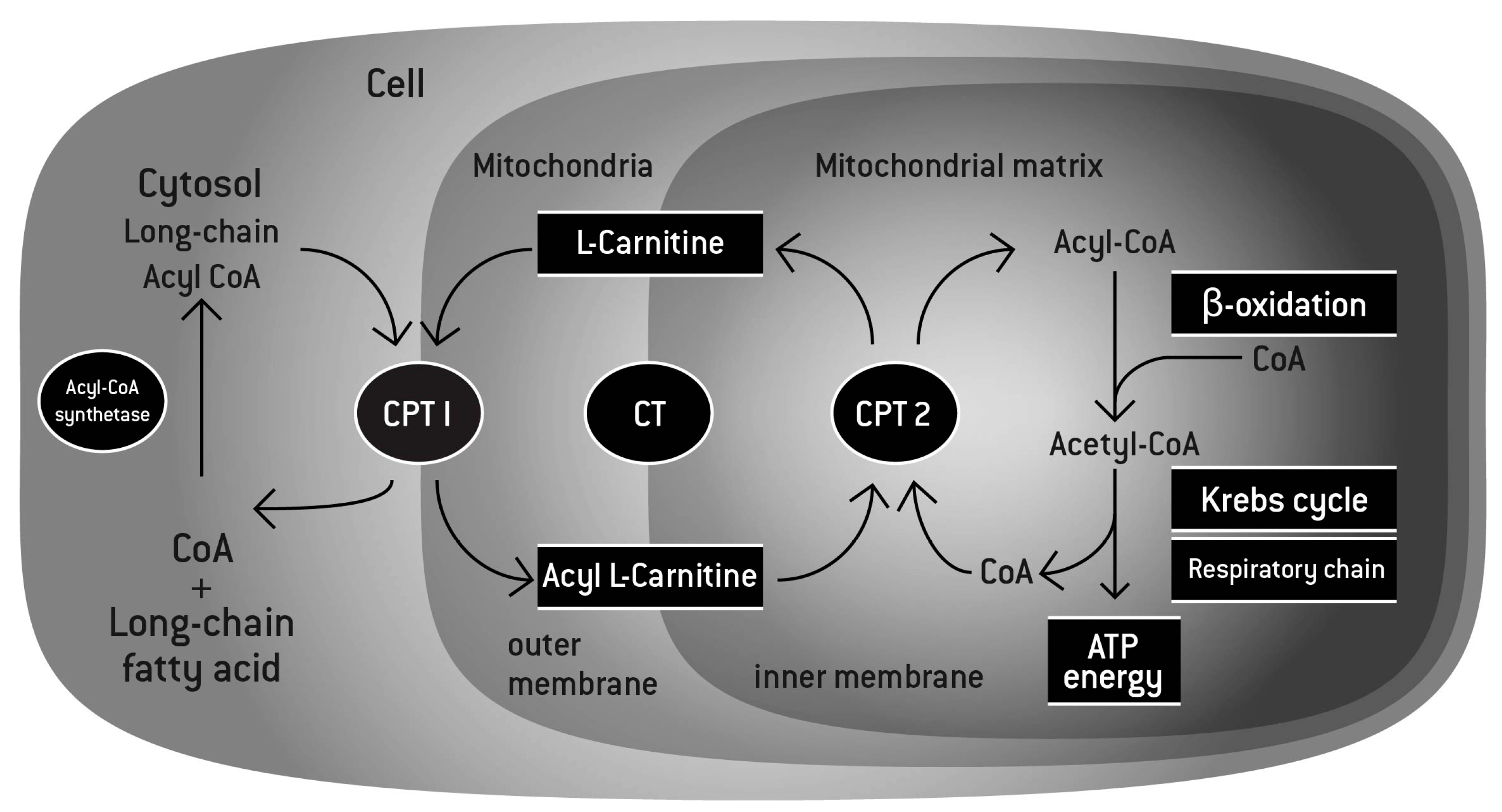
Promote the use of fat tissue as energy

Moe se koristiti kao deo programa: kontrole telesne kompozicije poveane fizike aktivnosti intenzivnih trening ciklusa Pogodan je za osobe koje ele dodatnu podrku tokom treninga i aktivnog dana
The main biological mediators (and their properties) present in Peyronies disease are listed in Table 1: nuclear factor-B, i-NOS, TGF-1, PDGF, IL-1, bFGF, PAI-1, TNF-alpha, tissue inhibitors of metalloproteinases (TIMPs) [5,20,25,39,42,43,45,48,49,50,52,56,57,58,59,62,63,64,65,66,67,68,69,70,71,72,73,74,75,76,77,78,79,80,81,82,83,84,85,86,87,88] (see Figure 1)
& Forushani, A

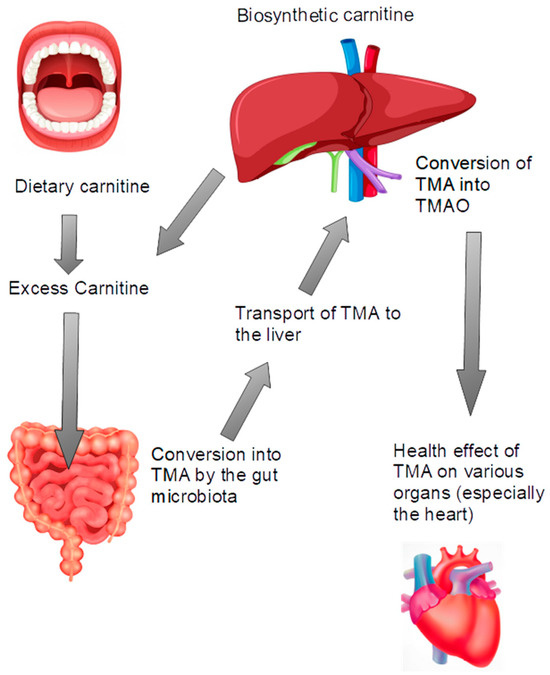
Key findings include: Effective in enhancing fat metabolism, particularly during exercise Supports exercise recovery by reducing muscle soreness and damage Mixed evidence for direct weight loss, highlighting the importance of combining supplementation with diet and training Acetyl-L-carnitine shows cognitive benefits, supporting mental energy and focus Overall, the science suggests that does L-carnitine work is best answered with: yes, but its effectiveness depends on the context and proper use

US$ 28.42
US$ 23.53
US$ 25.85
US$ 28.16
US$ 25.42