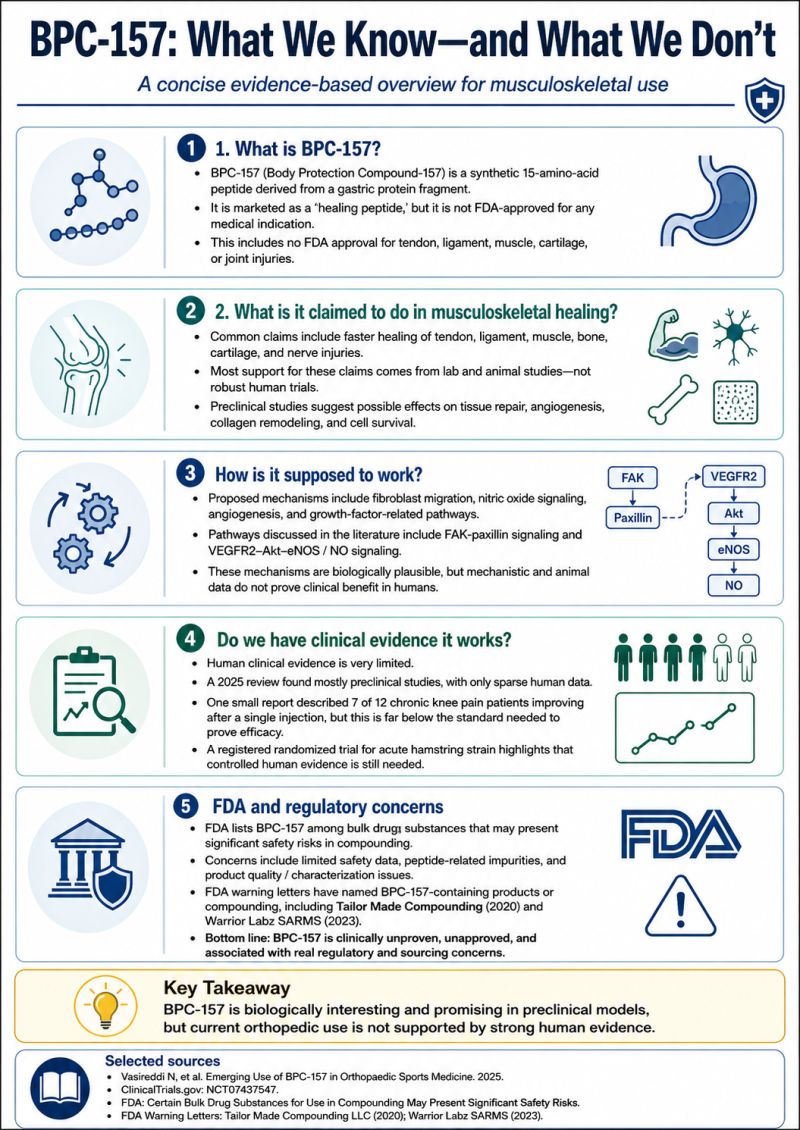
bpc 157 human evidence regulatory status fda warning The Hidden Risks of BPC‑157: What Patients Need to Know About Contamination and Safety Peptides like BPC-157 and TB-500
Description
Primary Degradation Mechanisms Hydrolysis: Water can cleave peptide bonds, especially at elevated temperatures Oxidation: Methionine and cysteine residues (if present) are susceptible to oxidation Aggregation: Peptides may form aggregates over time, reducing bioactivity Microbial Contamination: Bacteria can degrade peptide and introduce pyrogens Stability-Enhancing Practices Temperature: Refrigerate at 2-8C immediately after reconstitution Light: Store in original amber vial or wrap with foil pH: BPC-157 is stable across a wide pH range (2-10), but neutral pH is optimal Sterile Technique: Use fresh needles and swab septum before each withdrawal Estimated Stability in Solution BAC Water at 2-8C: 4-6 weeks with maintained activity Sterile Water at 2-8C: 1-2 weeks maximum

A lack of vitamin B12 can often lead to fatigue and weakness due to megaloblastic anemia a blood disorder that causes unusually large red blood cells (megaloblasts) and a lower red blood cell count, which results in a lower supply of oxygen to the body

You can access Vitamin B12 in animal foods, which contain it naturally or from items that have been fortified with it
They are usually given as small subcutaneous injections for optimal absorption and results
And in some individuals, components of the medication itself activate mast cell surface receptors

Executive function is improved in 90% of children things like awareness, cognition, appropriateness, eye contact when called, and just being more like a normal kid. Speech and language is improved in 80% of children all phases including spontaneous language, more complex sentences, increased vocabulary, etc


