human clinical trials bpc-157 athletic performance The Future of Body Re-composition and Bodybuilding: How Prof. Mike Chan's Peptide Research is Transforming Peptide Power: A Practical Guide
Description
Feeling the scale of it as treatment begins is part of that picture

The baseline panel Here is the complete list of tests to request before starting tirzepatide: Metabolic markers: Comprehensive metabolic panel (CMP), which includes glucose, electrolytes, BUN, creatinine, calcium, and liver enzymes Hemoglobin A1c (HbA1c), your 2-3 month blood sugar average Fasting insulin and fasting glucose HOMA-IR calculation (derived from fasting insulin and glucose) Lipid panel: Total cholesterol LDL cholesterol (direct measurement preferred) HDL cholesterol Triglycerides VLDL cholesterol Liver function: ALT (alanine aminotransferase) AST (aspartate aminotransferase) Alkaline phosphatase (ALP) Total bilirubin GGT (gamma-glutamyl transferase), optional but useful Kidney function: Serum creatinine Blood urea nitrogen (BUN) Estimated glomerular filtration rate (eGFR) Cystatin C (recommended for more accurate kidney assessment) Urine albumin-to-creatinine ratio (UACR), especially if diabetic Thyroid function: TSH (thyroid stimulating hormone) Free T4 Free T3 (optional but informative) Thyroid antibodies if history of thyroid disease Complete blood count (CBC): White blood cells, red blood cells, hemoglobin, hematocrit, platelets Differential (neutrophils, lymphocytes, monocytes, eosinophils, basophils) Additional recommended tests: Vitamin B12 (especially if taking tirzepatide with B12 ) Vitamin D Iron panel (ferritin, TIBC, serum iron) Magnesium Pancreatic enzymes (lipase, amylase), baseline reference This might seem like an extensive list

Whatever happens in the dermal papilla determines whether hair grows thick and strong or thin and weak

Research also examines GHK-Cu's chemoattractant properties for mast cells and macrophages in wound models, with studies investigating controlled inflammatory responses during healing

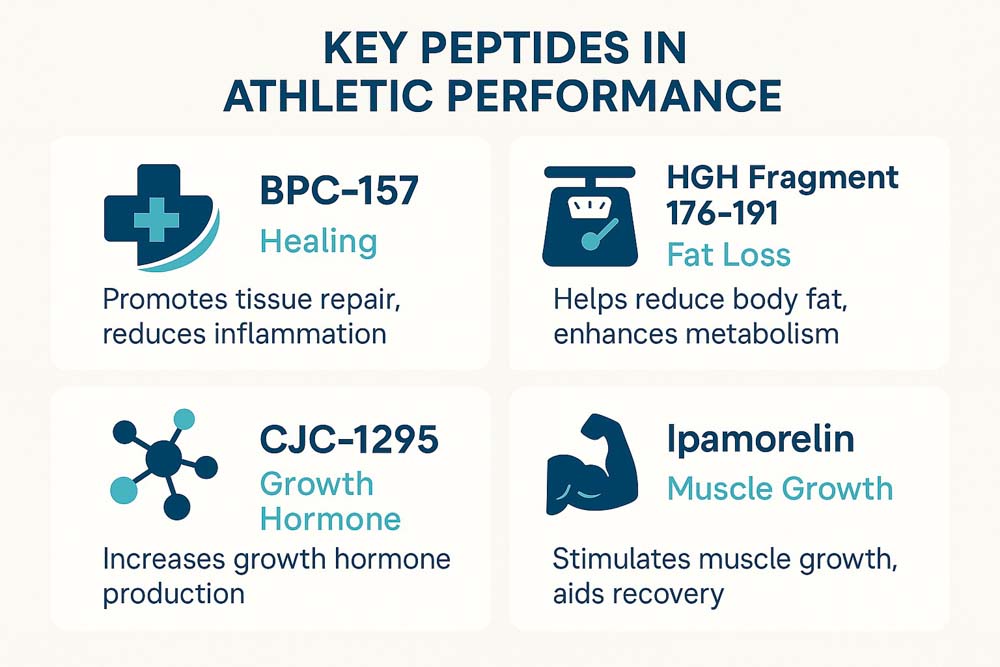
BPC-157 acts primarily at the local injury site, stimulating fibroblast proliferation, angiogenesis, and collagen synthesis

The peptide is not found naturally in the human body