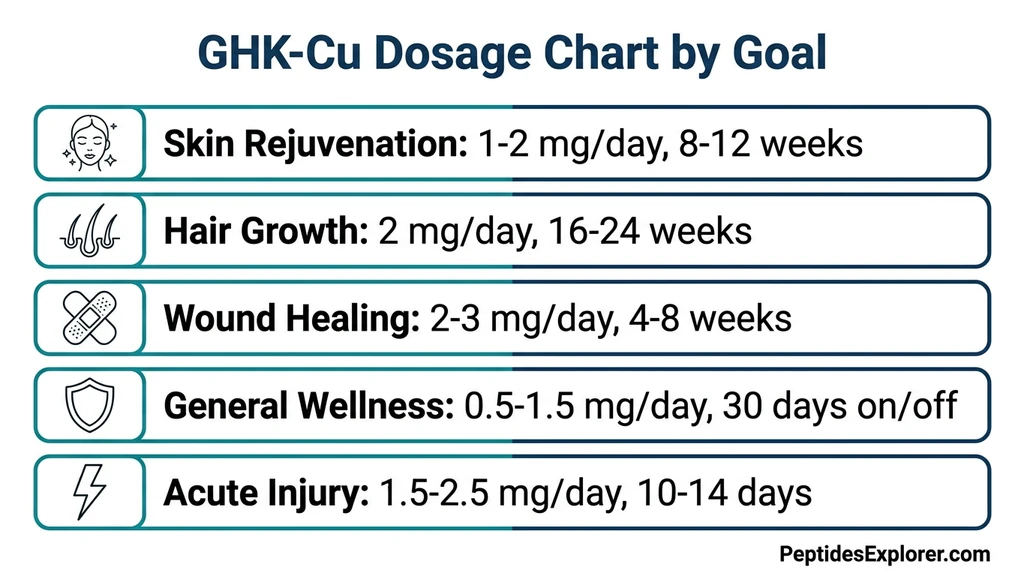
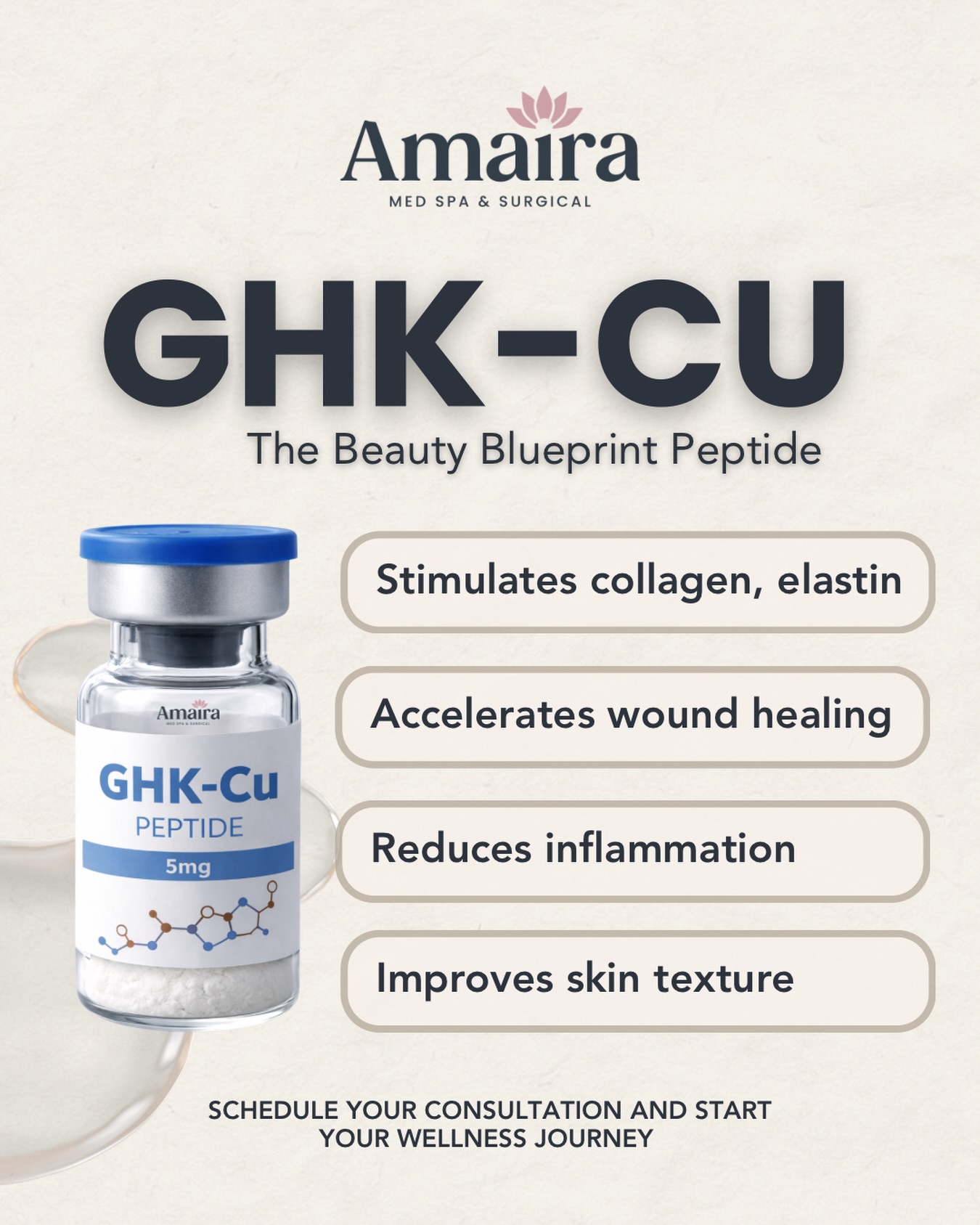
ghk-cu peptide wound healing Dosage: Protocols & Charts GHK-Cu Peptide Therapy Connecticut |
Description
290,291,292 Accumulating macrophages release cytokines and chemokines, including IL-1, IL-6, chemokine ligand 2 (CCL2), and TNF-, intensifying the inflammatory environment and aggravating nerve damage

190,191 SIRT1-3 maintain the chromatin structure via deacetylation of a crucial histone residue, H4K16

Molecular Characteristics Product Name: Repair & Recovery Capsules Peptide Components: BPC-157 Argininate + TB-4 Fragment Form: Capsule research formulation Purity: Research-grade analytically verified components Unit Size: 60 capsules Stability Profile and Storage Recommendations Store capsules in a cool and dry environment Protect from direct light exposure Avoid excessive heat or moisture Handle capsules using laboratory best practices Maintain sealed packaging during storage Formulation and Handling Considerations Designed for laboratory formulation research Suitable for peptide stability investigations Applicable in peptide interaction studies Compatible with controlled laboratory protocols Useful for capsule-based peptide formulation research Technical Specifications product Name Repair & Recovery Capsules brand BioPeptides purity Research-grade analytical quality form Capsule formulation synthesis Controlled peptide formulation analytical Identity and purity verification molecular Structure Multi-component peptide formulation stability Stable under cool, dry storage conditions Analytical Validation and Quality Assurance Verification of peptide identity and integrity Capsule fill uniformity testing Stability testing of peptide formulation Batch-to-batch consistency validation Packaging integrity inspection Regulatory and Compliance Statement Repair & Recovery Capsules supplied by BioPeptides are intended strictly for laboratory research use only
Unique features - Vitamin B12 megadose injection, 2500 micrograms, provides extended effects without compromising safety

To date, therapies to treat intervertebral disc degeneration are limited, involving broad-spec anti-inflammatory drugs, which have undesirable side effects, or surgeries that are invasive, risky, and require long recovery times

Laboratory Research on AOD-9604 AOD-9604 is primarily studied in preclinical models to investigate fat metabolism


