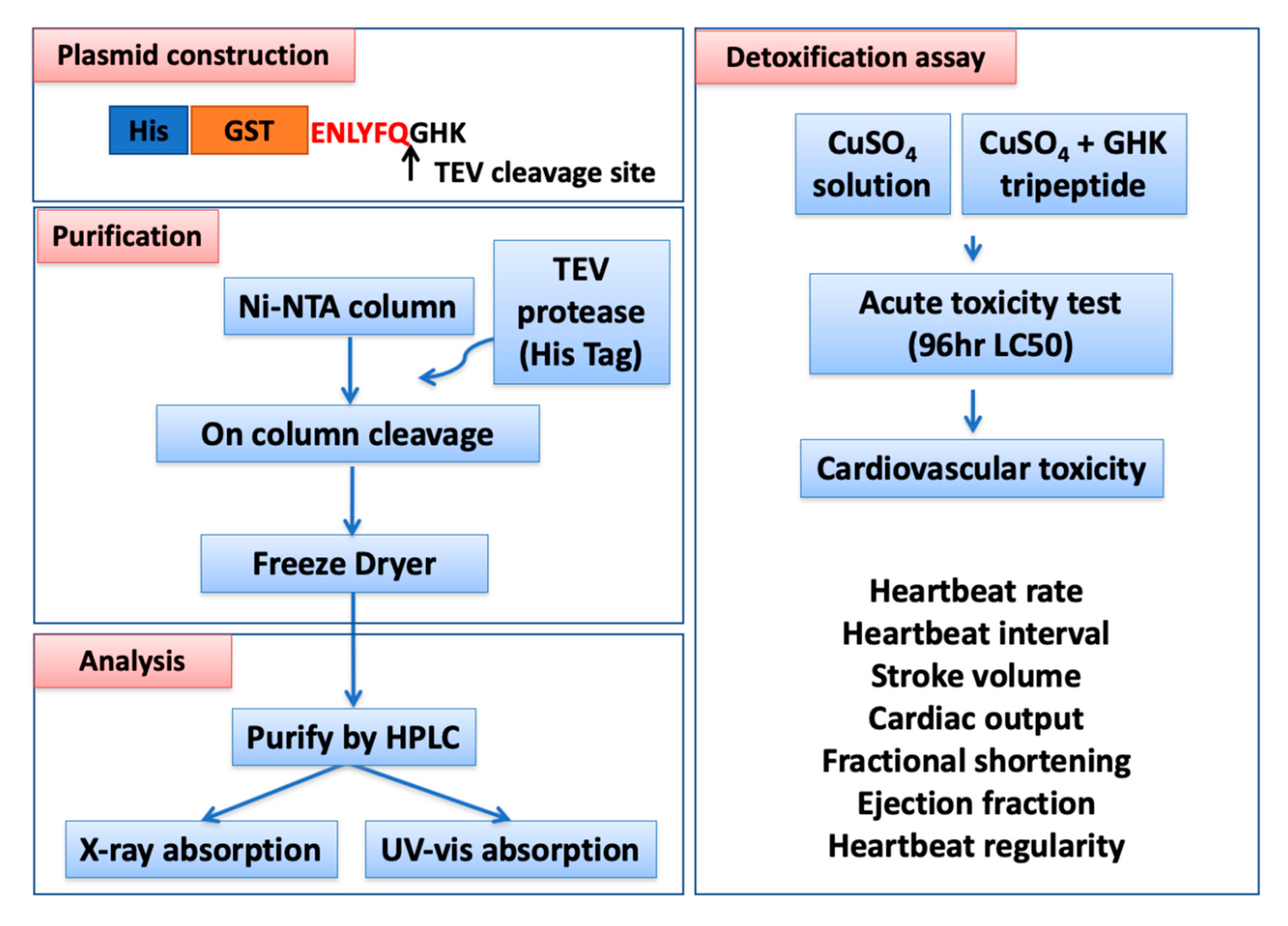
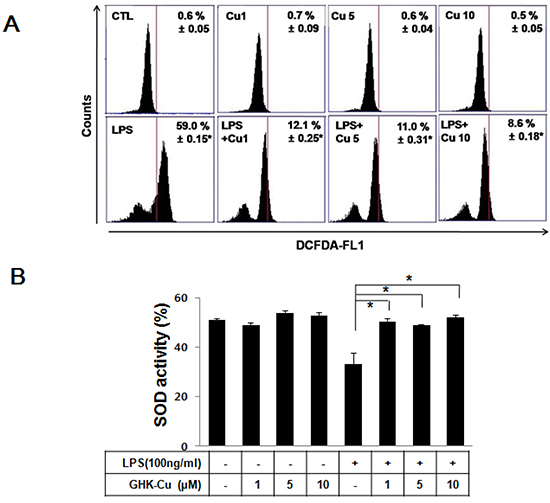
ghk-cu peptide negative side effects Expression and Purification of Recombinant GHK Tripeptides Are Able to Protect against Acute Cardiotoxicity from Exposure to Waterborne-Copper in Zebrafish GHK-Cu Copper Peptide: The Ultimate
Description
For RNAi drugs, challenges include safety, efficacy, and delivery issues

How to Inject BPC-157 Safely Under Medical Guidance Subcutaneous Injections: Simple and Effective Best for: Systemic healing or mild injuries Location: Abdomen or near the injured area Needle: 2931 gauge, inch Technique Clean vial top and skin with an alcohol pad Draw reconstituted peptide with a sterile syringe Pinch skin and inject at a 4590 angle Dispose of the needle properly Intramuscular Injections: Deeper Targeting Best for: Deep tissue, ligament, or tendon repair Needle: 2730 gauge, 1 inch Inject near injury site for maximum effect Rotate injection sites to prevent irritation Stacking BPC-157 With Other Peptides BPC-157 + TB-500 Goal: Accelerate healing and flexibility Protocol: BPC-157 250500 mcg daily (local injection) TB-500 25 mg weekly (divided doses) These two peptides complement each other: BPC-157 targets the injured tissue, while TB-500 promotes systemic healing
With 3 colors and 3 correctors, you can create the ideal shade for each client
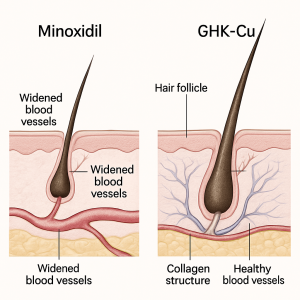
However, its ability to modulate inflammation and accelerate tissue regeneration suggests that it could be a promising candidate for future studies aimed at combining regenerative and analgesic therapies

doi: 10.1111/j.1753-4887.2010.00352.x

The animal science is genuinely interesting