5 amino 1mq with or without food 5-Amino-1MQ Peptide 5-Amino-1MQ (5mg & 50mg) for
Description
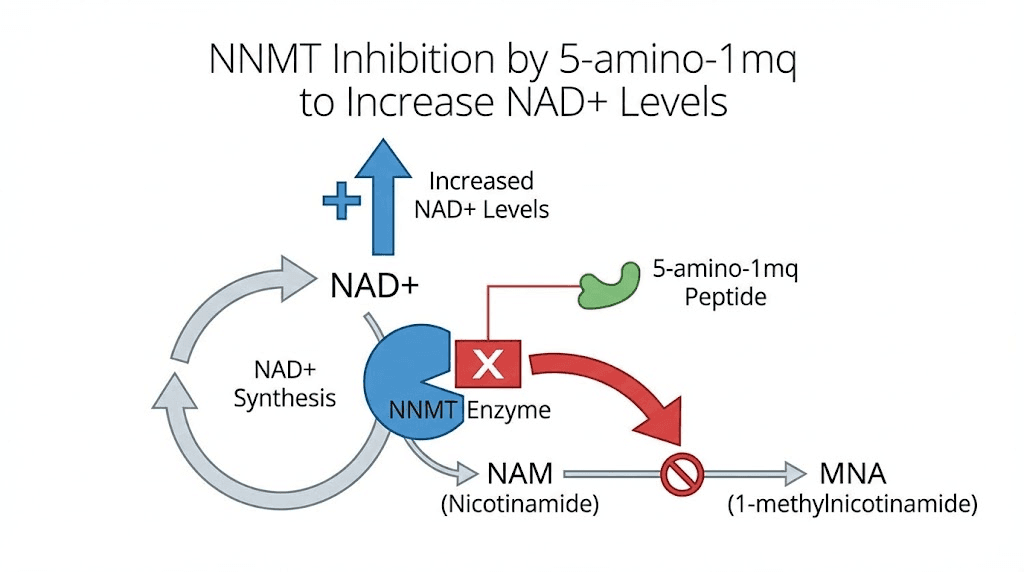
Researchers investigating novel compounds for fat loss and muscle recovery may be interested in setting an appropriate 5-amino-1MQ dosage for their experiments
benefits are generally greatest when B12 or other nutrient status is genuinely low

If the patient is known to have low potassium or heart rhythm issues, monitor electrolytes

Complete weight loss protocols with cagrilintide Tailored approaches for different situations
Heres how they work together: Folates role: Dietary folate converts to 5-MTHF (active folate) via the MTHFR enzyme 5-MTHF donates a methyl group to homocysteine This requires B12 as a cofactor for the enzyme methionine synthase The result: homocysteine converts to methionine B12s role: B12 (as methylcobalamin) acts as a cofactor for methionine synthase It helps transfer the methyl group from 5-MTHF to homocysteine Without adequate B12, folate gets trapped and cant donate its methyl group This is called the methyl trap What happens when one is deficient: Low B12 with adequate folate: Folate cant function properly (methyl trap) Homocysteine rises despite good folate levels Methylation slows down Can mask B12 deficiency symptoms initially Low folate with adequate B12: Not enough methyl groups available for donation Homocysteine rises Methylation impaired DNA synthesis affected Both low: Severe methylation impairment Very high homocysteine Anemia (megaloblastic) Neurological damage risk Why MTHFR mutations affect this partnership: With MTHFR mutations: Your body cant efficiently convert folate to 5-MTHF This creates a bottleneck in the methylation cycle Even with adequate B12, you dont have enough active folate to work with it Result: elevated homocysteine, poor methylation The solution: Bypass the MTHFR bottleneck by taking pre-methylated folate (5-MTHF) that doesnt require conversion
Understanding the root cause is key