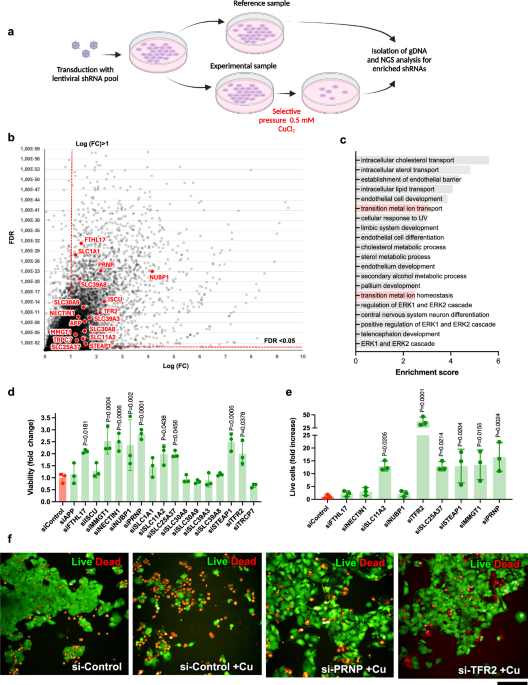
ghk-cu copper overload wilson's disease Prion protein promotes toxicity in Wilson Molecular Medicine Reports
Description
Time-based rules do not apply : Unlike infusions or therapies, this code is event-based
Food and Drug Administration for any indication, off-label use among researchers and in experimental settings has grown, driven primarily by animal studies and anecdotal reports
The expression levels of plasma membrane transporters in the cholestatic liver of patients undergoing biliary drainage and their association with the impairment of biliary secretory function

Cost is another factor to consider

That distinction matters in a category where "copper peptide" is increasingly used as a marketing term rather than as proof of potency
70190-5/asset/c6659154-b56f-4971-90c0-451d3d93e37e/main.assets/gr3_lrg.jpg)
Cognitive Enhancement Studies Cognitive improvement studies in 28-month-old mice (equivalent to elderly humans) using 10 mg/kg body weight administered 5x per week for 3 weeks demonstrated: Significantly faster escape hole finding in Box Maze tests (trials 4 and 5) Evidence of decreased brain inflammation Increased histone deacetylase 2 labeling indicating epigenetic pathway activation Preliminary reversal of age-related cognitive impairment Pain and Anxiety Modulation Anti-pain effects in mice at 0.5 mg/kg showed efficacy comparable to cimetidines human analgesic effects, affecting 7 anti-pain genes (increased) and 2 genes (decreased), with upregulated opioid receptors and related pain-modulating pathways


