


Buy B12 Shots and Injections Online
US$ 28.49
Glucose Metabolism Preservation: Metabolic assessments included fasting glucose, fasting insulin, oral glucose tolerance tests in some studies, and calculation of insulin sensitivity indices
Heart palpitations Feeling like your heart is racing or skipping beats

Ensure adequate intake of: Protein: Amino acids are the building blocks of collagen Vitamin C: Essential cofactor for collagen synthesis Copper: Though GHK-Cu provides copper, dietary sources support overall function Zinc: Important for tissue repair Hydration: Well-hydrated tissue heals better Some users add collagen peptide supplements to provide additional raw materials for synthesis

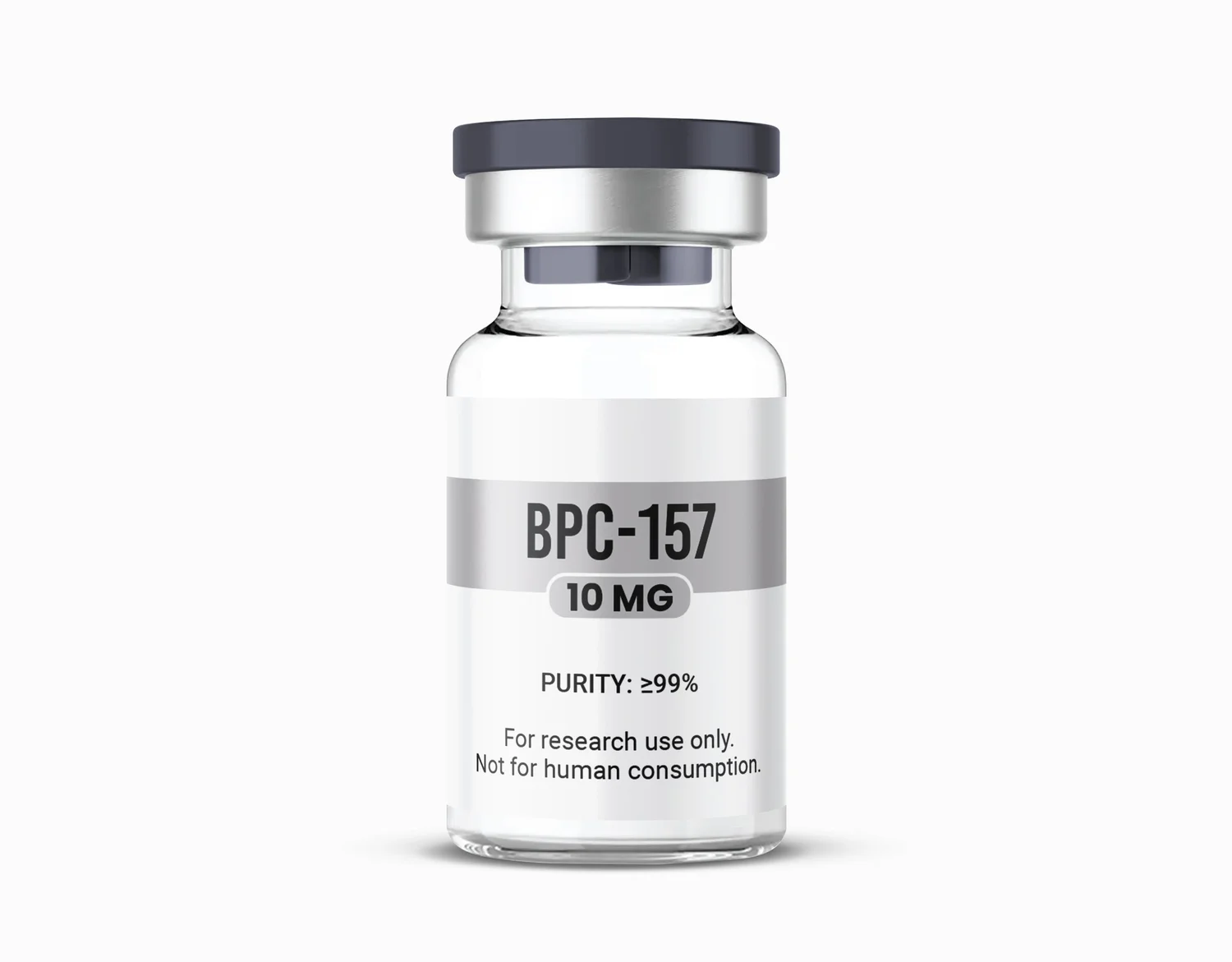
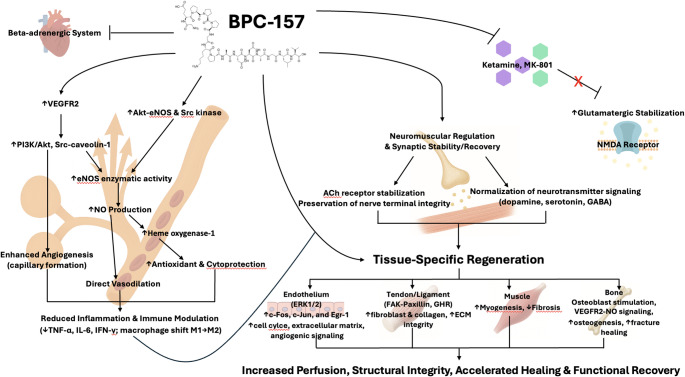
Molecular Identity Full Name Body Protection Compound 157 Structure Pentadecapeptide (15 amino acids) Sequence Gly-Glu-Pro-Pro-Pro-Gly-Lys-Pro-Ala-Asp-Asp-Ala-Gly-Leu-Val Molecular Weight ~1419 g/mol Origin Synthetic fragment derived from human gastric juice protein Mechanism of Action Published research identifies several pathways through which BPC-157 may affect tissue: Angiogenesis promotion: Studies show BPC-157 promotes blood vessel formation in animal models (Seiwerth et al., 2018) Nitric oxide system modulation: Interactions with NO pathways have been documented Growth factor activity: Research indicates effects on VEGF and EGF pathways FAK-paxillin pathway: Cell migration studies show activation of focal adhesion kinase Published Research Study Focus Model Publication Seiwerth et al
Many of the medications that are used to treat Crohns disease and ulcerative colitis work by suppressing the immune system

Tendons are tough rope-like connective tissues that attach muscle to bone to allow movement
US$ 28.49
US$ 21.54
US$ 27.93
US$ 21.33
US$ 26.91
US$ 28.77
US$ 23.92