
swisschem bpc 157 Why Are People Injecting Themselves with Peptides? What Science ACTUALLY Says About
Description
M.RomanoM.OjettiV.StockbruggerR.GulliniS.AnnibaleB.et al (2015)

Albuja Altamirano, Jaha Oh, Jung-Hyun Lee Critical review of the manuscript for important intellectual content: Eunhee Choi, Laverne Yip, Krishna Kishore Anna, Gabriela Galicia Garcia, Maria F

Baseline assessment: Complete medical history Physical examination Baseline laboratory tests: Complete blood count Comprehensive metabolic panel Lipid profile Fasting glucose and insulin Liver enzymes Kidney function tests Baseline body composition assessment Documentation of any pre-existing conditions Ongoing monitoring: Regular physical examinations (every 4 weeks) Monitoring for adverse effects Laboratory tests at 48 week intervals: Metabolic panel Liver and kidney function Glucose and lipids Body composition assessments Documentation of any changes in health status Warning signs requiring attention: Severe or persistent injection-site reactions Signs of allergic reaction (rash, itching, difficulty breathing) Persistent headaches or nausea Symptoms of hypoglycemia (shakiness, sweating, confusion) Any unusual symptoms or health changes Significant changes in laboratory values Managing Adverse Effects If AOD9604 side effects occur during research, appropriate management strategies include the following
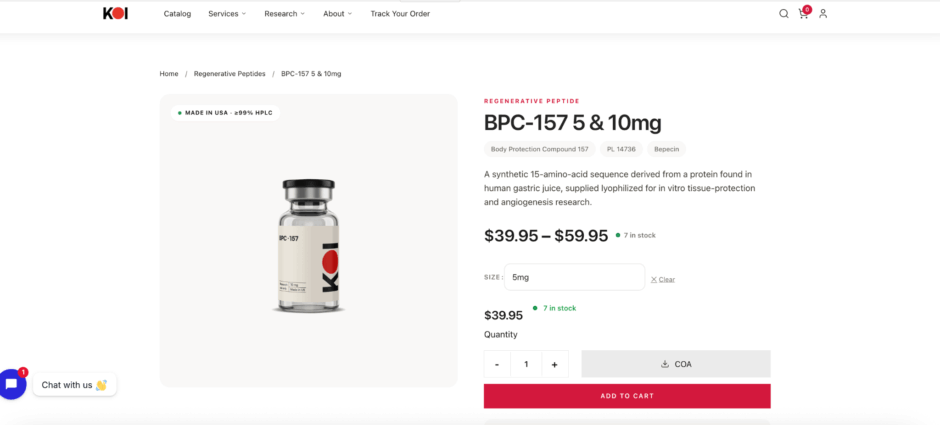
"Research use only" labelling is a legal classification, not a quality guarantee, and there is no mandated independent assay of identity, purity, aggregation state, or contamination for products in this market
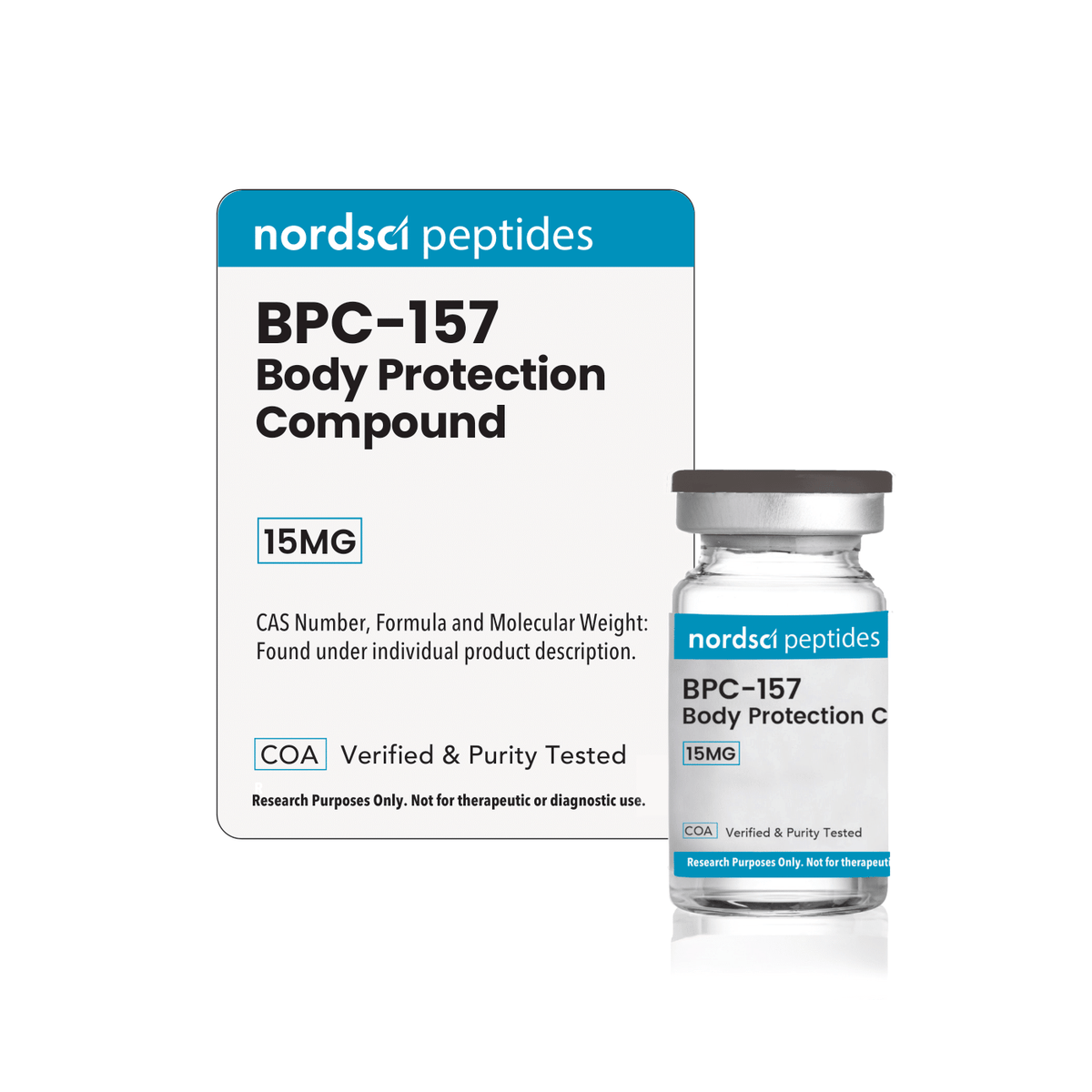
COA Peptide Purity, Identity Verification & Assay Testing Understanding peptide purity testing is essential when evaluating research peptide materials, lyophilized powders, capsules, tablets, and liquid spray formulations
The only time Ive used it is if you require a date to be ready for something, thats when I see that it is beneficial


